

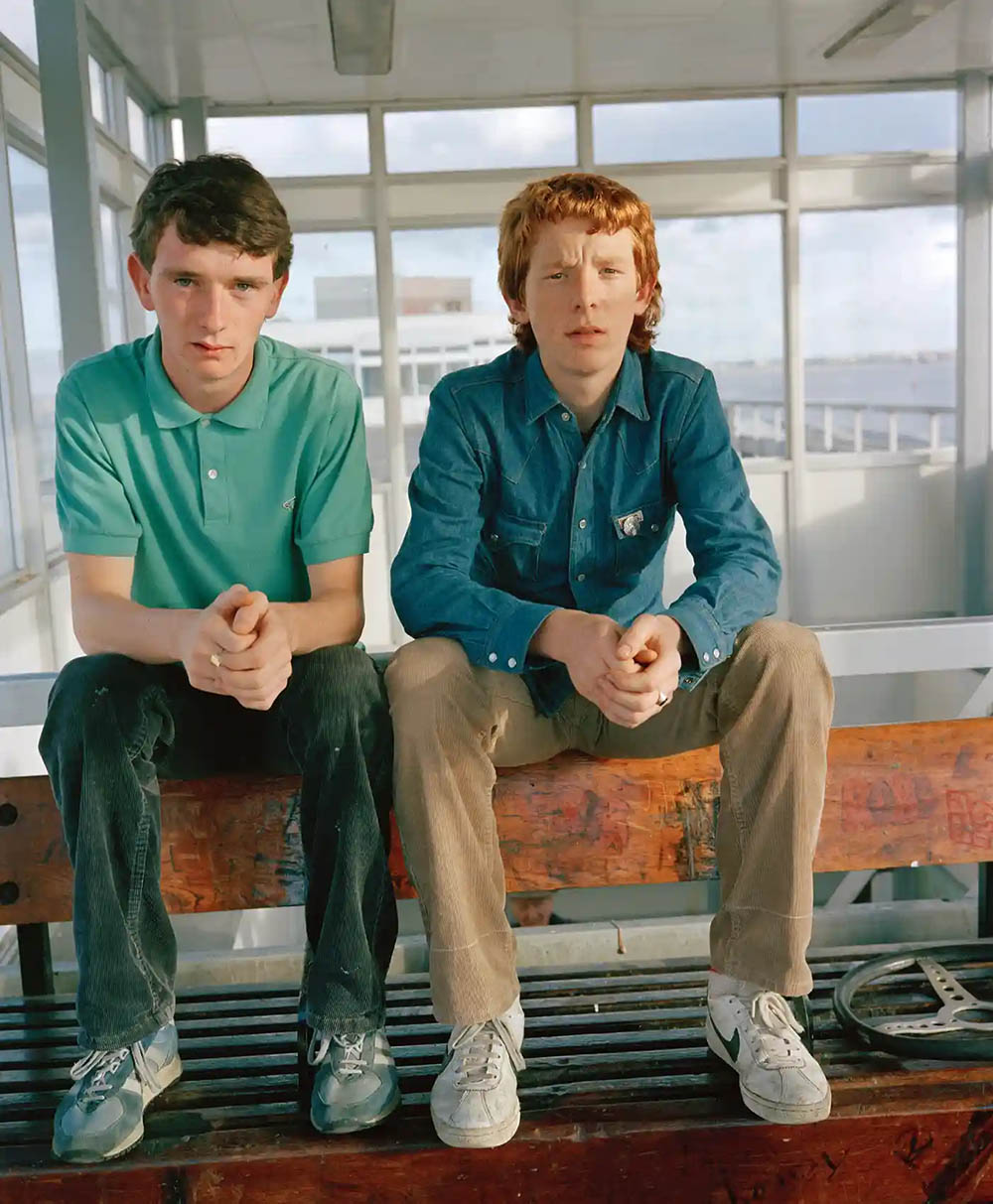
On the banks of the River Mersey, between Liverpool and New Brighton, Tom Wood photographs the youth of the mid-1980s trying to fill the void and boredom. Ferry accros the Mersey: first contact with the youth of Liverpool In his first series of photographs Ferry accros the Mersey (1985), Tom Wood captures young people killing […]
HUSBANDS JOURNAL
JOURNAL
THE HERRINGBONE PATTERN
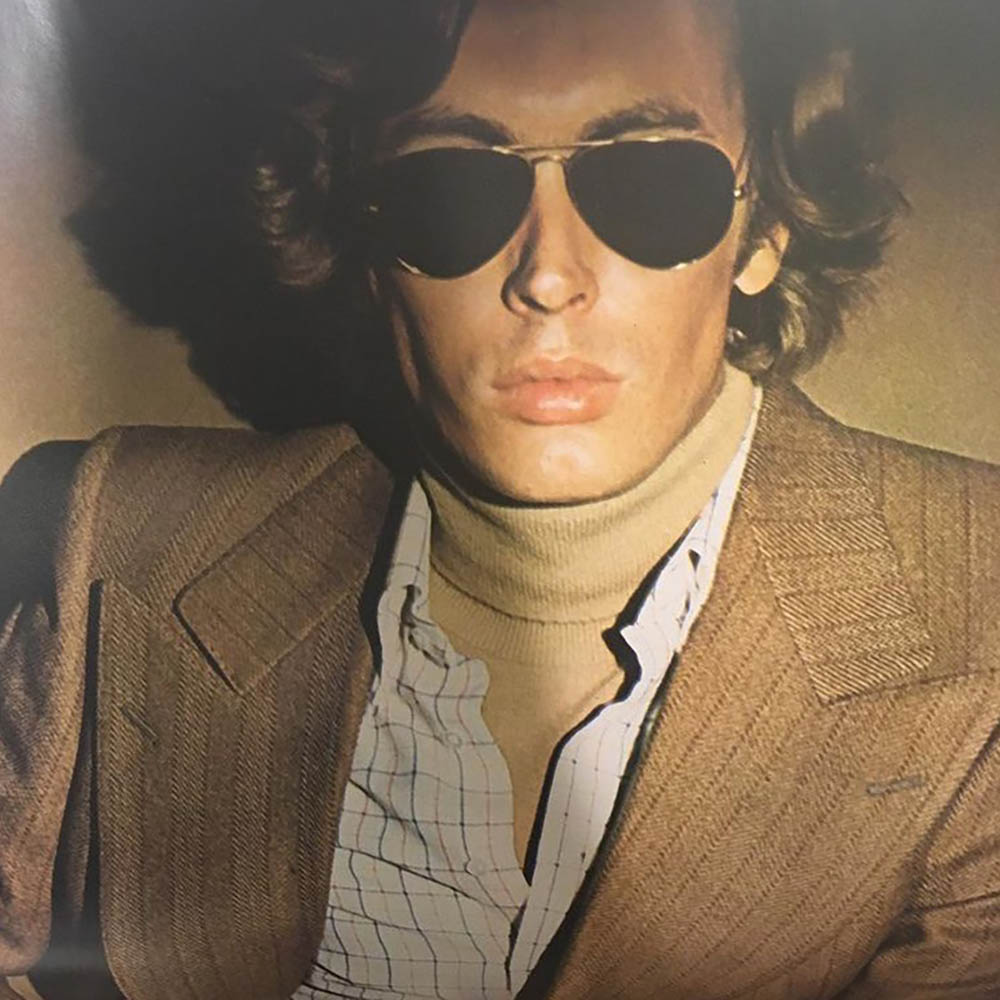
The herringbone pattern has its origins in the architecture of ancient Rome, when the Romans developed this architectural pattern for paving. However, it was through the production of textiles that the herringbone pattern developed on a European scale. The weaving technique of the herringbone pattern Constructed with a twill weave, the herringbone is easily recognisable […]
SCARVES FOR MEN

The men’s scarf was originally not a fashion accessory, but a military item. The instruction scarf After the French defeat in the Franco-Prussian war of 1870-1871, the 1872 recruitment law introduced general conscription in France. The majority of the soldiers recruited under this law were illiterate. In order to give soldiers access to instructions on […]
THE CASHMERE FABRIC
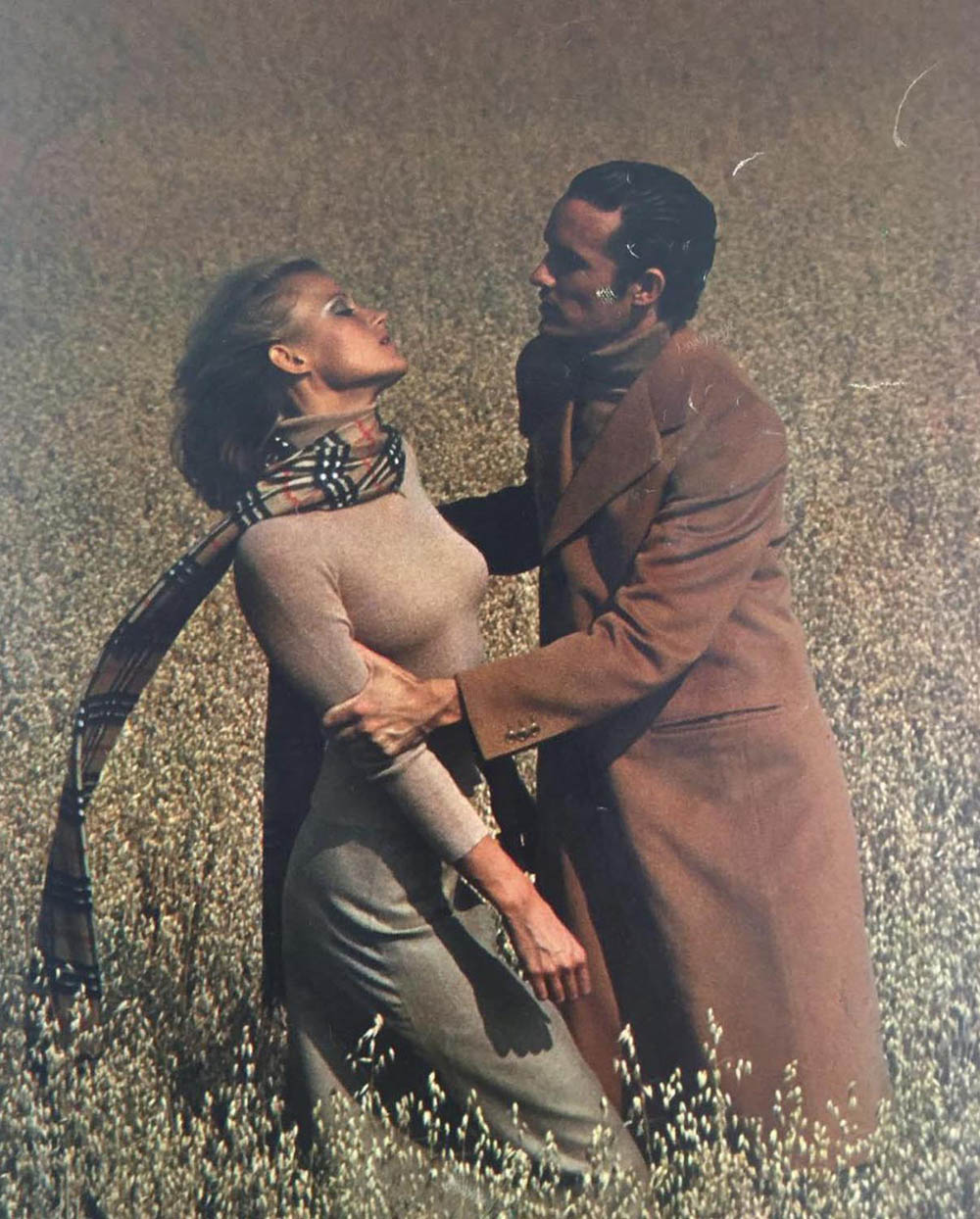
cashmere • natural fibre of animal origin, derived from the long winter undercoat of cashmere goats, sheared or brushed off the chest during their spring moult. Its name comes from the region of Kashmir, where this fibre was originally processed. Its production and manufacture are limited to the geographical area of origin of the goats, […]
PARIS’ LEFT BANK BY EMILE SAVITRY
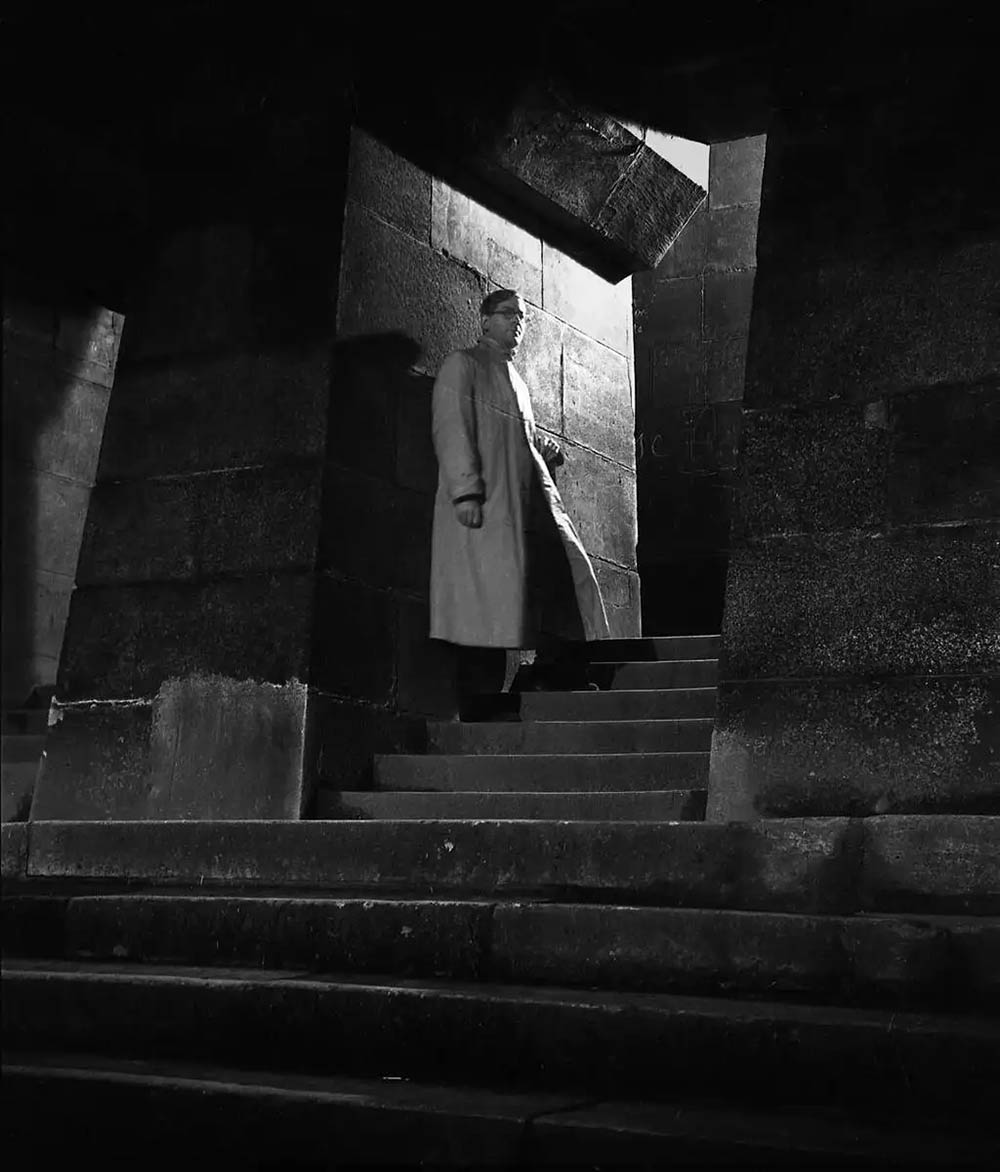
First painter and then photographer, Émile Savitry makes the artistic and cultural life of Saint-Germain-des-Prés and Montparnasse districts the privileged frame for his shots. Artists’ studios, jazz cellars, café terraces and restaurants on the Left Bank are the theatre for his human comedies. Humanist photography in post-war Paris Along with Robert Doisneau, Willy Ronis and […]
TWILL
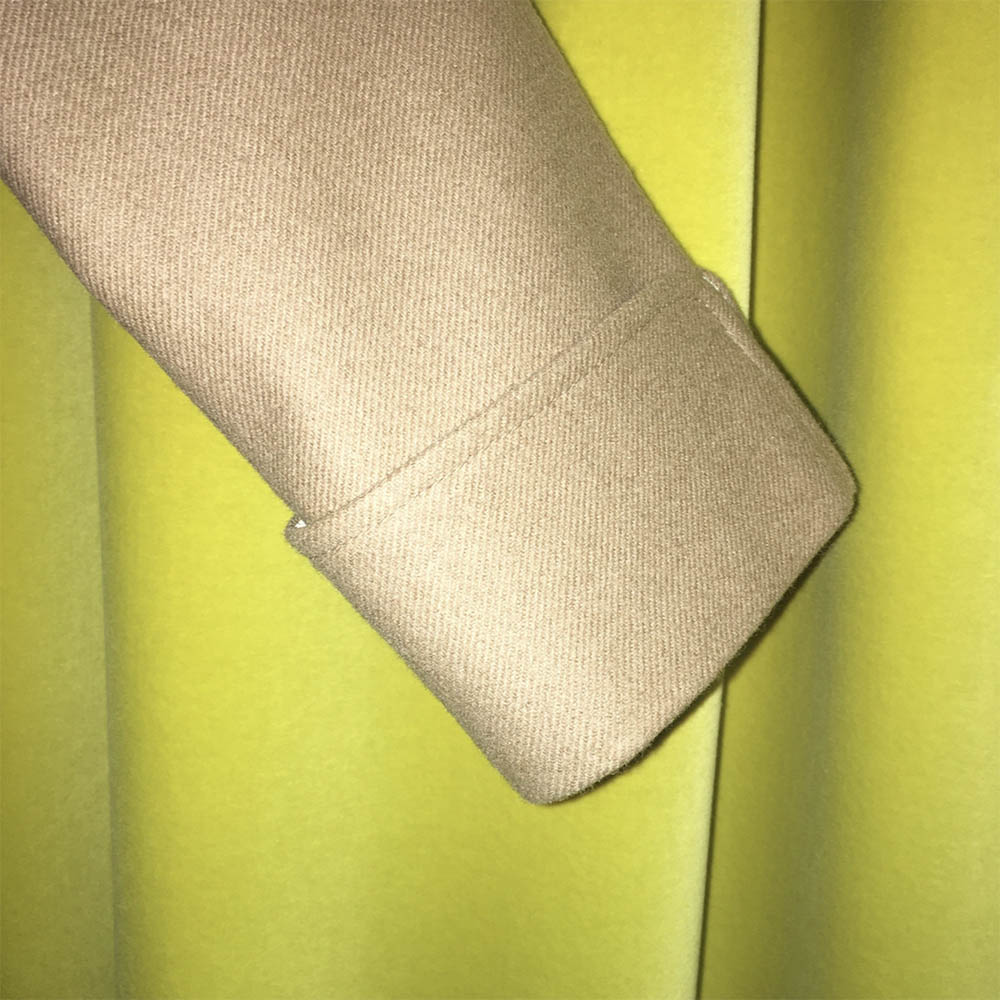
The wool twill is one of the most important weavings of the classic wardrobe, giving their structures to many fabrics: gabardine, tweed, cavalry twill or denim. Technically, it is a matter of passing the weft wire over the chain wire while preserving a slight lag between the wires. Thus, this weaving allows the creation of […]
MAKING HUSBANDS #3 : COATS, JACKETS, TROUSERS
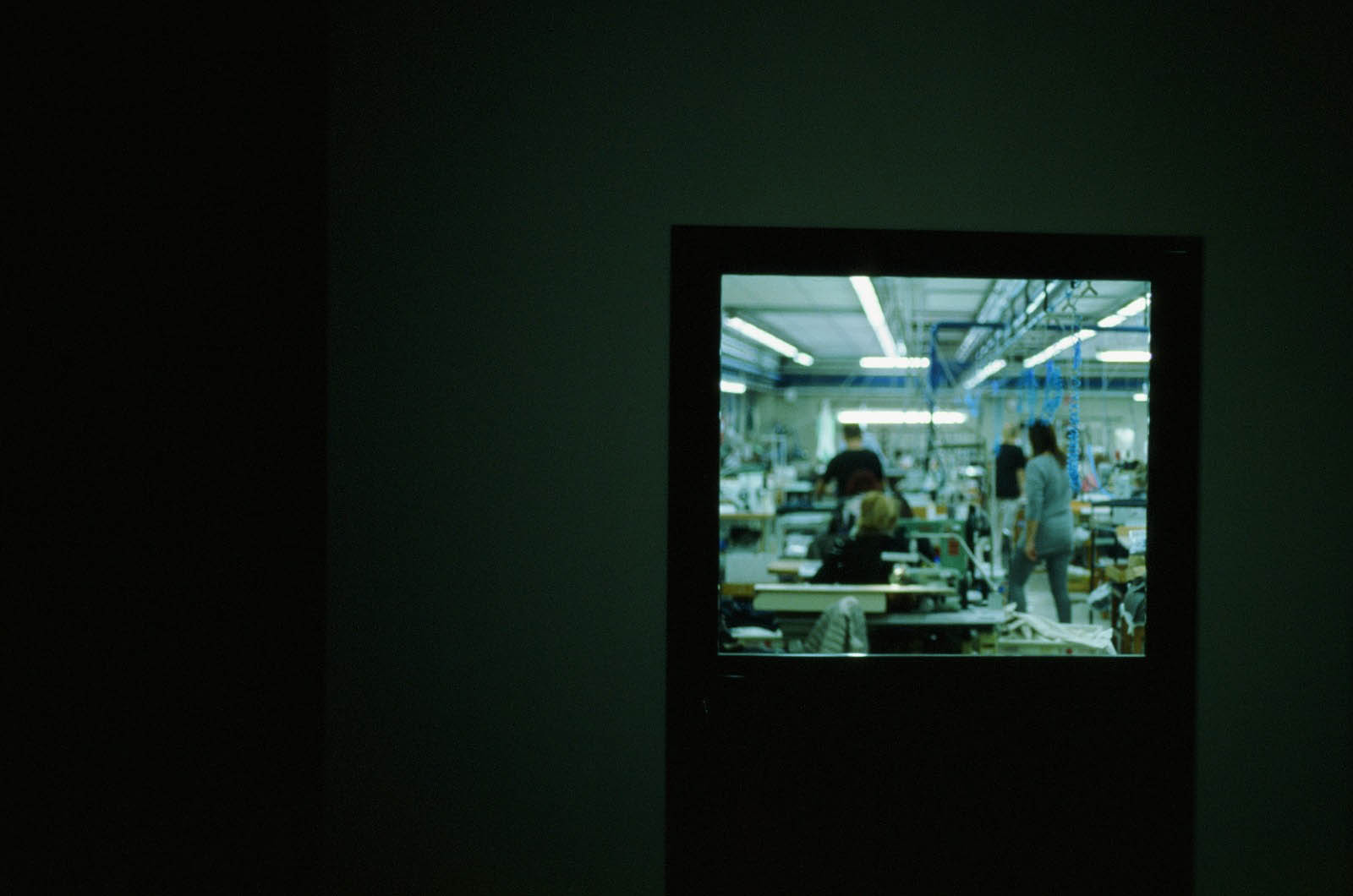
All our “shouldered” garments are made in the same workshop in the suburbs of Naples. A first workshop was founded in 1954. The company took advantage of the post-war economic miracle and hired some forty experienced tailors. In the 70s, the factory worked for the most notorious Italian luxury houses. In 2006 the workshop was […]
JEANS, A FRENCH HISTORY
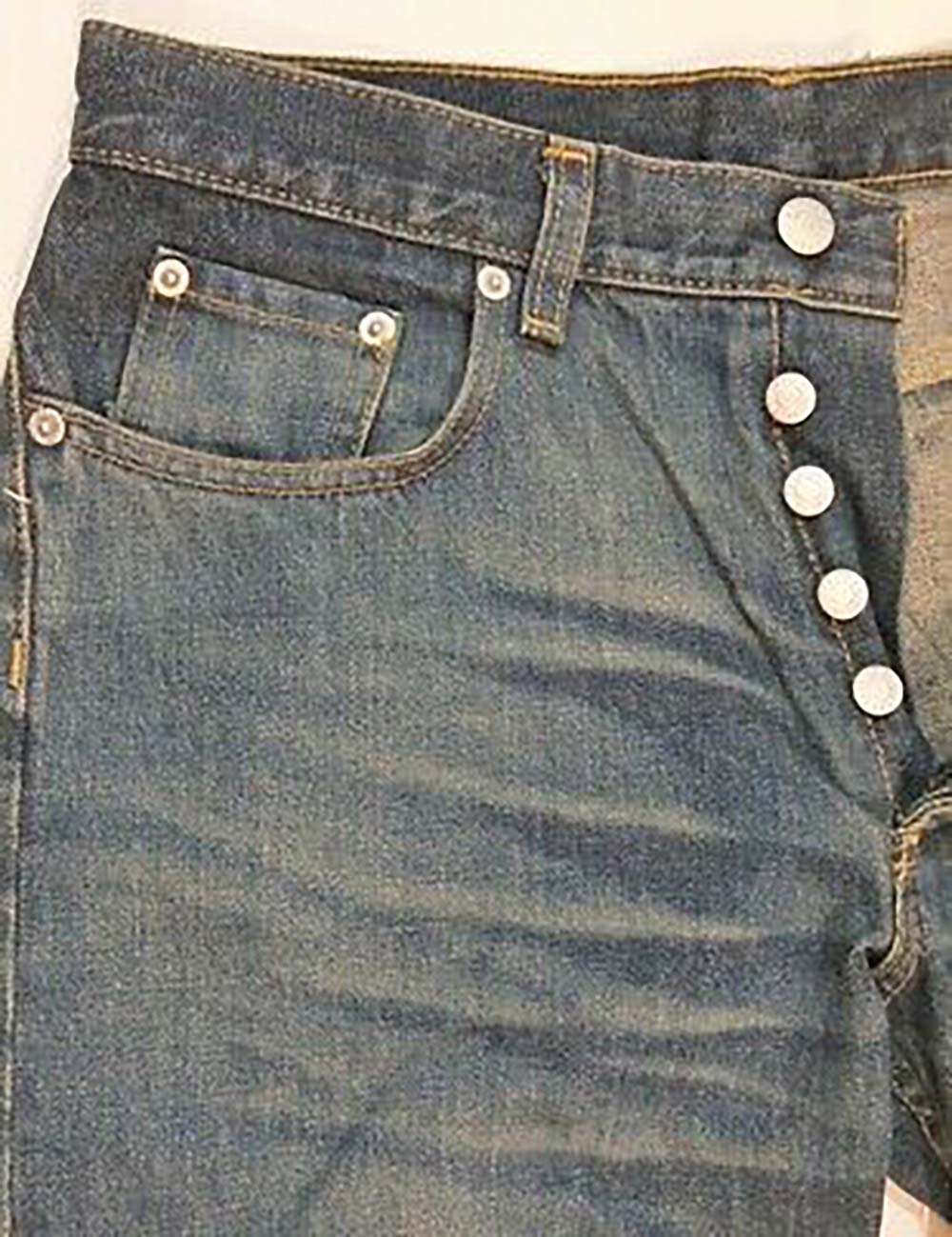
Jeans are five-pocket trousers made of denim: a cotton twill fabric with unbleached weft threads and indigo warp threads. From Nimes to the American spinning mills Denim originates from a town in the south of France from which the fabric takes its name: “de Nîmes” (literally “from Nîmes”). From the 17th century onwards, Nîmes was […]
THIN-RIB CORDUROY
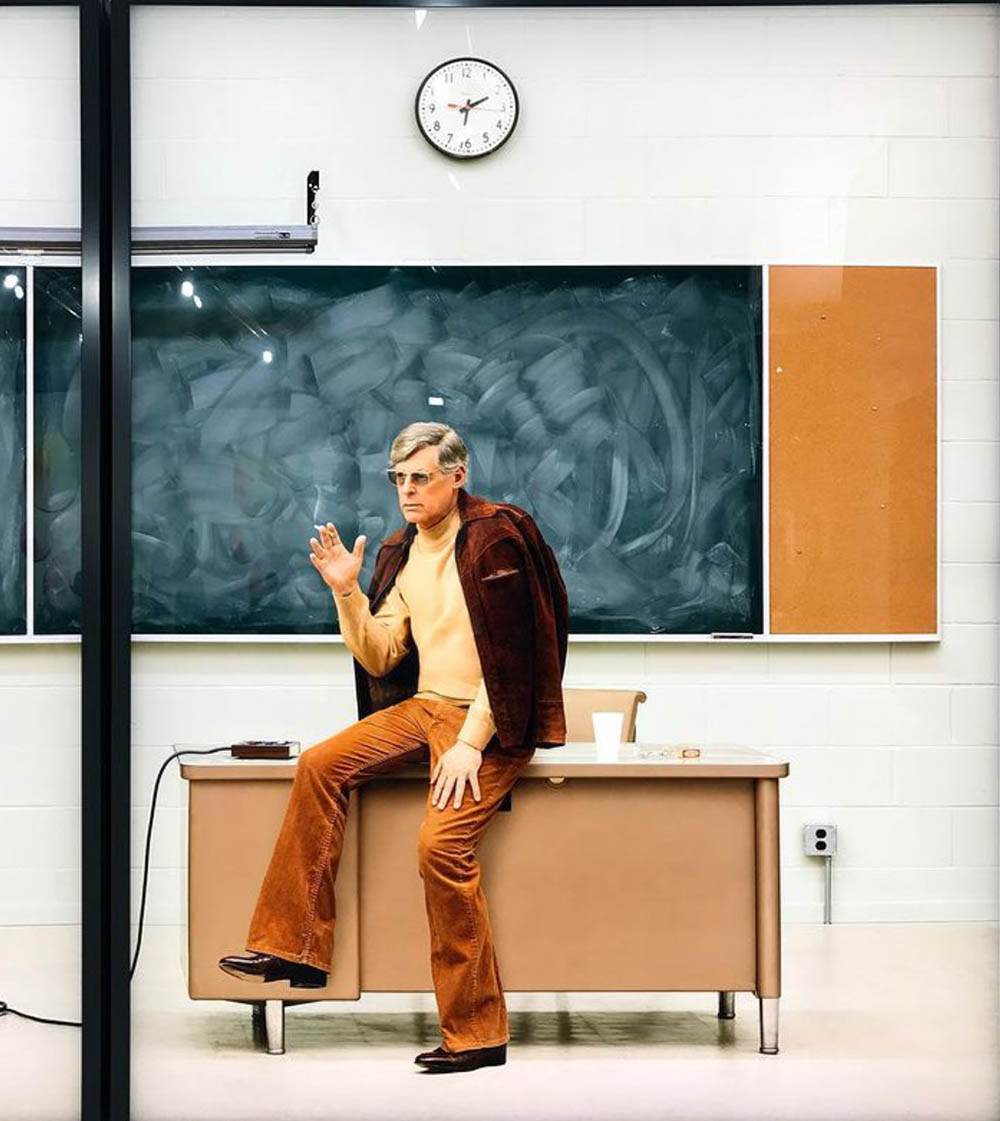
Velvet is neither a material nor a fabric, it is a particular type of weave – and a complex one at that. Consisting of a simple weave (which constitutes its basic structure) to which is attached an additional thread, called pile yarn. This pile yarn is cut to give the fabric its satin appearance. Velvet […]
THE PEA COAT
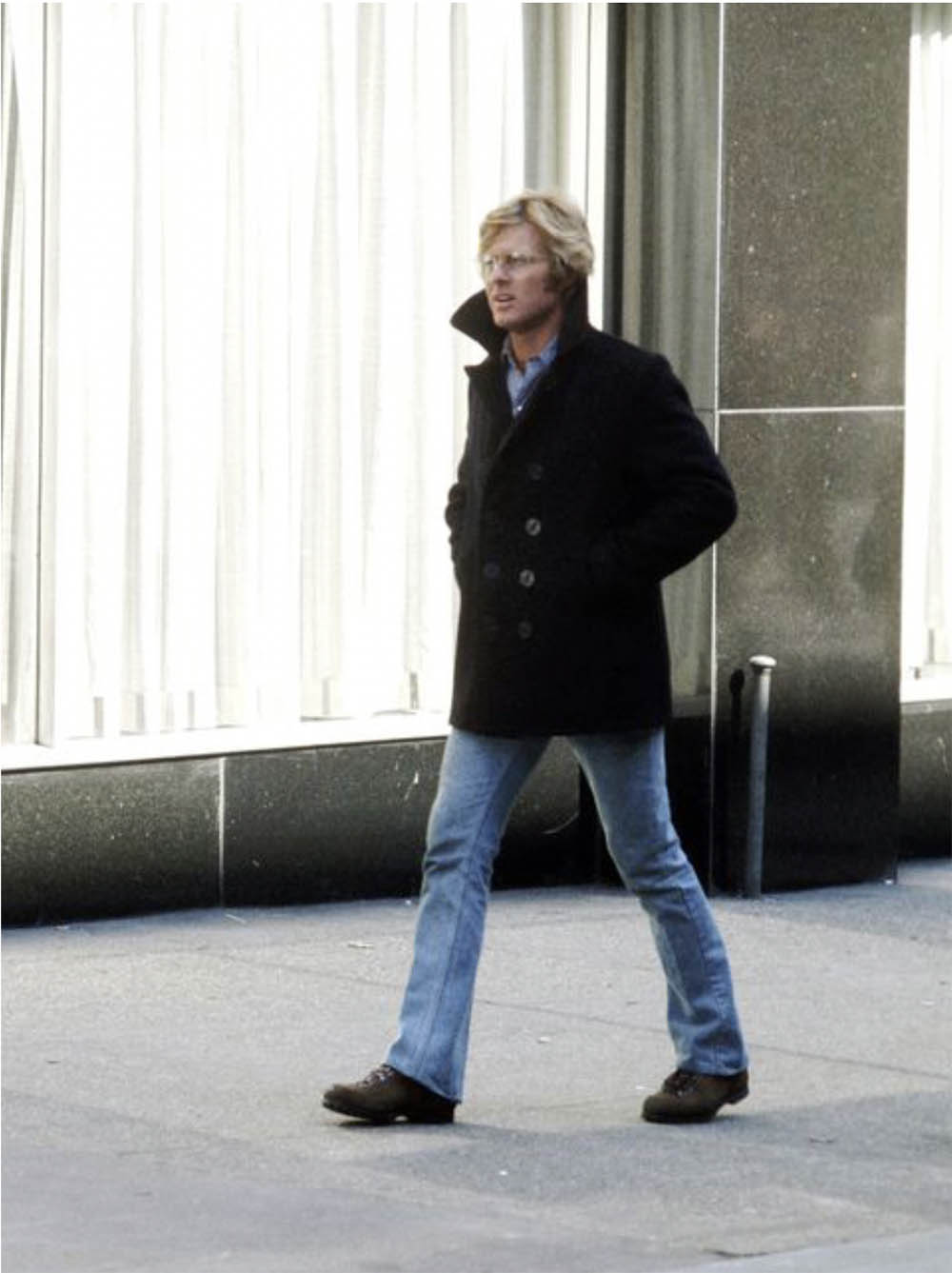
The origin of the pea coat goes back to the 17th century. English sailors were the first to adopt this coarse woollen garment, warm enough to face the elements. Later on, the coat was reserved for pilots, which gave the coat the English name of P-Coat and then Pea Coat The pea coat is recognisable […]